What Is Bitcoin in Simple Words: A Guide for Beginners
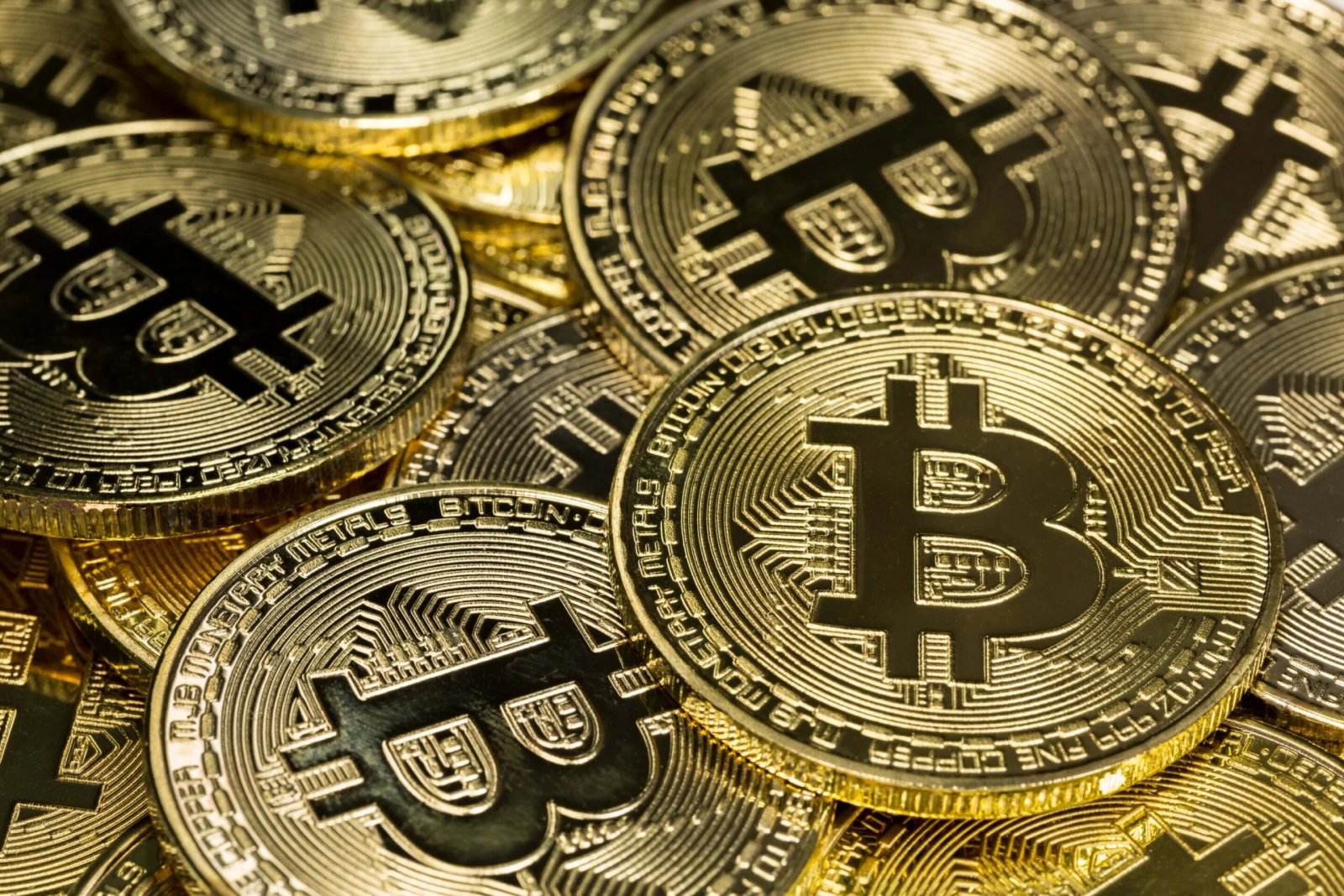
Bitcoin is digital money that you can send to anyone over the internet without using a bank. It works like cash, but it lives completely on computer networks. You do not need a company like Visa or a central government to approve your payment.
Think of it as a shared record book that thousands of computers keep at the same time. This book tracks who owns every coin. If you want to know what Bitcoin actually is, the shortest answer is that it is the first electronic cash system that runs on its own.
How Does Bitcoin Work Without a Bank?
When you pay for coffee with a debit card, your bank checks your balance. The bank subtracts money from your account and adds it to the coffee shop account. The bank is the middle person who keeps the records honest.
Bitcoin skips the bank entirely. Instead, it uses a network of thousands of computers owned by regular people and businesses all over the world. These computers are called nodes. Every single node keeps an identical copy of the big record book, which is called a blockchain.
Suppose Sam wants to send one coin to Alex. Sam broadcasts a message to the whole network. The computers check the public record book to see if Sam really owns that coin. If the record shows Sam has it, the computers update the book. Within minutes, the network records that Alex owns the coin now.
No single person controls this network. If one computer tries to cheat and make up fake coins, the other thousands of computers catch the mistake. They instantly reject the bad transaction. This setup keeps the system fair without needing a manager.

Where Do New Bitcoins Come From?
Governments print paper bills whenever they want to make more money. They can print millions of new dollars in a single day. Bitcoin does not work like that at all.
New coins are created by a process called mining. Powerful computers solve hard math puzzles to group new transactions together into blocks. The first computer to solve the puzzle earns a reward paid in brand new coins. In 2009, the reward for finishing a block was 50 new coins. By 2024, that reward dropped down to 3.125 coins per block.
This reward cuts in half every four years. This event is called the halving. It happens automatically because of code written back in 2008. The system stops making new coins completely once the total reaches 21 million. Right now, over 19.7 million coins already exist.
Because there is a hard limit, no one can print extra coins to pay off debts. That built-in cap is a big reason why some people compare it to gold. It takes real energy to make, and the total supply can never grow past 21 million.
Why Do Crypto Prices Go Up and Down So Much?
Bitcoin prices move fast because the market never sleeps. Stock markets close on weekends, but crypto markets trade 24 hours every day. The price changes based on simple supply and demand.
If more people want to buy than sell, the price goes up. If bad news makes people scared and they sell, the price drops quickly. Back in 2010, one coin was worth less than ten cents. By 2021, one coin hit a peak near 68,000 dollars. Then it dropped back down under 20,000 dollars a year later.
Changes like that can happen fast. A single tweet, a new government rule, or a big business buying coins can swing the price by thousands of dollars in a single afternoon. When you start exploring crypto, you must learn How to Stop Impulse Buying and Save Your Money so you do not chase price spikes out of fear.
This big price swing is called volatility. It makes the market exciting for traders, but it also creates high risk for normal buyers. You can gain money fast, but you can lose money just as fast.
What Risks Should Beginners Know About?
Crypto comes with real risks that you must understand before putting any money into it. Unlike a bank account, there is no insurance if you make a mistake or if your account gets hacked.
First, there is the risk of losing your digital keys. If you store your coins in a private wallet, you get a secret seed phrase made of 12 or 24 words. If you lose those words, you lose your coins forever. No customer support line exists to reset your password.
Second, scams are very common in the crypto space. Bad actors set up fake websites that look like real exchanges to steal your login info. Others send messages promising to double your money if you send them coins first. If an offer sounds too good to be true, it is always a scam.
Third, price crashes happen often. Some beginners buy when prices are high because they see news stories about people getting rich. Then the market drops, and they panic and sell at a loss. To protect your regular savings, read up on smart budgeting strategies for beginners before you spend money on volatile assets.
How Do People Store Their Digital Money?
You do not store coins in a leather wallet or on a hard drive. Your coins always live on the global blockchain network. What you actually store are your secret keys, which give you permission to move those coins.
There are two main ways to keep your keys safe:
- Custodial wallets: These are accounts on popular exchange websites. The company holds the secret keys for you. It feels like online banking, which is easy for beginners, but you rely on the company to stay secure.
- Self-custody wallets: These are apps on your phone or small hardware devices that look like USB drives. You hold the secret keys yourself. You have total control, but you take on all the responsibility for security.
Many beginners start on an exchange to keep things simple. As they learn more, they often move their coins to a hardware wallet for long term safety. Choosing the right method depends on how much you own and how comfortable you feel with tech tools.
What Can You Actually Buy With It Today?
Some people use cryptocurrency to pay for real things every day. You can use it to buy tech hardware, gift cards, travel tickets, or web hosting services. Some coffee shops and online stores accept direct payments through phone apps.
However, most people do not spend it like cash yet. Buying a sandwich with a coin that changes price every hour can feel stressful. Many people treat it more like a digital store of value, holding onto it for years instead of spending it on groceries.
Sending money across international borders is another common use. Traditional bank transfers across countries take days and charge heavy fees. A digital payment can cross the globe in minutes for a fraction of the cost. That speed helps people send money to family in other countries.
Is It Safe for a Beginner to Buy Any?
Buying digital coins can be safe if you go slow and take careful steps. It becomes unsafe when people spend money they need for rent, food, or emergency savings. Never treat crypto like a guaranteed way to make money fast.
If you want to try it out, start with a tiny amount of money. You do not have to buy a whole coin. Each coin divides into 100 million smaller pieces called satoshis. You can buy five or ten dollars worth just to see how transactions work.
Treat that first small purchase as the price of a lesson, not an investment. Watch how the wallet works. See how prices move up and down over a few weeks. Learning how the tech works with small numbers is the best way to keep your stress low.
Are you curious enough to try a tiny test transfer, or do you prefer to keep watching from the sidelines for now?


Comments
Post a Comment