How Crypto Exchanges Work: A Simple Guide for Beginners

Crypto exchanges are the online shops where people buy, sell, and swap digital coins every day. If you want to trade cash for your very first token, you will almost certainly use one of these websites. But sending real money into a website can feel scary if you do not know what happens behind the screen.
A crypto exchange works like a matchmaker for your money. It takes your order to buy a coin and finds someone else who wants to sell that exact same coin for that exact price. The exchange holds the money, handles the trade in seconds, and updates both user accounts so nobody gets cheated.
What Is a Crypto Exchange?
Think of a regular grocery store. The store buys apples from farmers and puts them on shelves. You walk in with cash, buy an apple, and walk out. A crypto exchange feels similar, but it does not usually own the coins you are buying.
Instead, the exchange is more like an online market, similar to eBay. Thousands of real people stand in a digital room together. Some people hold dollars and want to buy coins. Other people hold coins and want dollars. The website gives everyone a safe place to meet and trade. You can learn more about the basics of Cryptocurrency on Wikipedia if you are totally new to digital money.
Back in 2010, buying digital coins was hard. You had to find a stranger on a message board, send them cash through the mail, and hope they sent coins back. Today, an exchange automates that entire process. You tap a button on your phone, and the trade happens in less than a second.
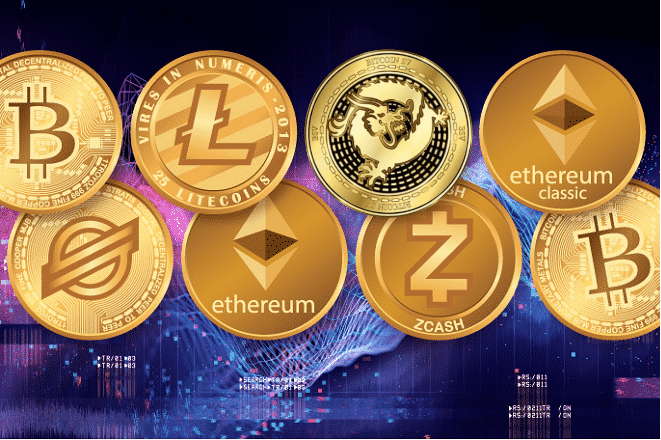
The Two Main Types of Exchanges
Not all trading platforms work the same way. When you start reading about crypto, you will hear people talk about two big groups. Choosing the right one depends on what you want from your money.
The first type is a centralized exchange. Most beginners start here. A single private company runs the website, sets the rules, and keeps the software safe. Companies like Coinbase or Binance fit into this group. You create an account with your email, set a password, and send them your dollars through a bank transfer.
The main benefit of a centralized exchange is customer service. If you forget your password, you can click a button to reset it. If you need a refresher on the most famous coin before trading, you can read our guide on What Is Bitcoin in Simple Words: A Guide for Beginners. But there is a downside. You must trust the company to keep your cash safe from hackers.
The second type is a decentralized exchange. Traders call these DEXs for short. There is no company running the site and no customer support team to call. Instead, computer code runs on a open network called a Blockchain. You connect your own digital wallet to the site and trade directly with other users. It gives you full control of your cash, but if you make a mistake, nobody can help you fix it.
How a Trade Actually Happens Step by Step
To understand how these platforms work, it helps to walk through a real example. Imagine you have 100 dollars in your bank account and you want to trade it for crypto. Here is how the process works on a standard exchange.
First, you create an account and verify who you are. The company asks for your name, address, and a picture of your ID card. This feels strict, but laws force exchanges to do this to stop money laundering and fraud.
Second, you link your bank account or debit card. You transfer 100 dollars into your exchange account. The exchange shows that 100 dollar balance on your screen, ready to spend.
Third, you pick the coin you want to buy and place an order. This is where the magic happens behind the scenes. The exchange uses a tool called an order book. This is just a massive digital list of every buy wish and sell wish from users all around the world.
Let us say you want to spend your 100 dollars at the current market price. The exchange scans its list, finds a user who wants to sell 100 dollars worth of that coin at that exact price, and matches you up. The exchange takes your 100 dollars, gives it to the seller, takes the seller's coins, and places them into your account. The trade is done.
How Crypto Exchanges Make Money
Exchanges spend millions of dollars on server safety, fast code, and staff. They do not offer this service for free. Knowing how they earn money helps you save cash on every trade.
The most common way an exchange makes money is through trading fees. Every single time you buy or sell a coin, the exchange takes a small cut of the trade. This fee is often a tiny fraction of a percent, like 0.1% or 0.5%. If you trade 100 dollars, the exchange might keep 50 cents as their payment.
Another way they make money is through deposit and withdrawal fees. Sending cash from your bank to the exchange might be free. But moving your crypto out of the exchange into a personal wallet often costs a set fee. Always read the fee page on a website before you deposit your money. Small fees can add up fast if you trade many times a week.
Some sites also use something called a spread. Instead of showing a clear fee, they charge you a slightly higher price when you buy, and offer a slightly lower price when you sell. The difference between those two prices goes right into the exchange's pocket. To get more tips on managing your digital cash safely, check out our home page for crypto advice for beginners.
What Are the Risks of Using an Exchange?
Exchanges make buying crypto easy, but they carry real risks that every beginner needs to understand. When you keep your coins on an exchange, you do not technically control them yet. The exchange holds the secret security keys for you.
The biggest risk is hacking. Because exchanges hold millions of dollars in digital cash, hackers attack them every single day. While major platforms spend massive sums on security, hacks still happen. If a bad actor breaks into the platform, users can lose their funds forever.
Another risk is company failure. If a platform goes bankrupt, your funds could get locked up in court for years. History shows that even huge, popular exchanges can crash if their owners run the business poorly or act dishonestly. Unlike regular money in a bank, crypto on an exchange is not insured by the government in most countries.
You also face personal security risks. If a scammer gets your account password, they can log in, sell your coins, and send the money to their own account. Using strong passwords and turning on two-step verification on your phone is non-negotiable if you want to keep your account safe.
How to Stay Safe When You Start
You do not need to avoid exchanges completely, but you should treat them with respect and caution. Using smart safety habits will protect your hard-earned savings while you learn the ropes.
Start small. Never send thousands of dollars to a new platform on your first day. Test the site with ten or twenty dollars first. Make a small trade, see how the site feels, and try pulling a few dollars back into your bank account so you know the full path works.
Turn on every safety lock the site offers. Use two-factor authentication, which forces the site to send a code to your phone every time you log in. This simple step stops almost all basic password theft attempts instantly.
Finally, remember that exchanges are for trading, not long-term storage. If you plan to buy a coin and hold it for months or years, consider moving those coins off the exchange and into your own private software wallet. That way, even if the exchange website closes down tomorrow, your digital money stays safe in your own hands.
What is the very first coin you plan to trade once your account is ready?


Comments
Post a Comment