How Crypto Exchanges Work and What You Should Know

You probably think of crypto exchanges as a digital bank where you swap cash for coins. Most people use them to buy their first bit of Bitcoin, but these sites are much more like a busy stock market than a local bank branch. When you click a buy button, the exchange does a lot of fast work behind the scenes to make that trade happen.
In short, a crypto exchange is a middleman that connects people who want to sell crypto with people who want to buy it. They provide the website, the security, and the software to match these two groups together. You pay a small fee for this service, and in return, you get a fast way to enter the market without needing to find a private seller yourself.
The basic job of a crypto exchange
Imagine you are at a crowded farmers market. You have ten dollars and you want a basket of apples. You could walk around for an hour asking every person if they have apples for sale, but that takes too long. Instead, you go to a central desk where everyone lists what they have and what price they want. That central desk is the exchange.
The exchange keeps a giant list called an order book. This list shows every person who wants to buy and every person who wants to sell. When your price matches someone else's price, the exchange swaps the money and the coins instantly. You never have to talk to the other person. The system handles the handshake for you so you can get back to your day.
Most beginners start with a centralized exchange. These are companies with offices, employees, and customer support. They feel like using a banking app or a stock trading site. You make an account, send some money from your bank, and start trading. It is the easiest way to get started, but you have to trust the company to keep your money safe.
How the order book matches your trade
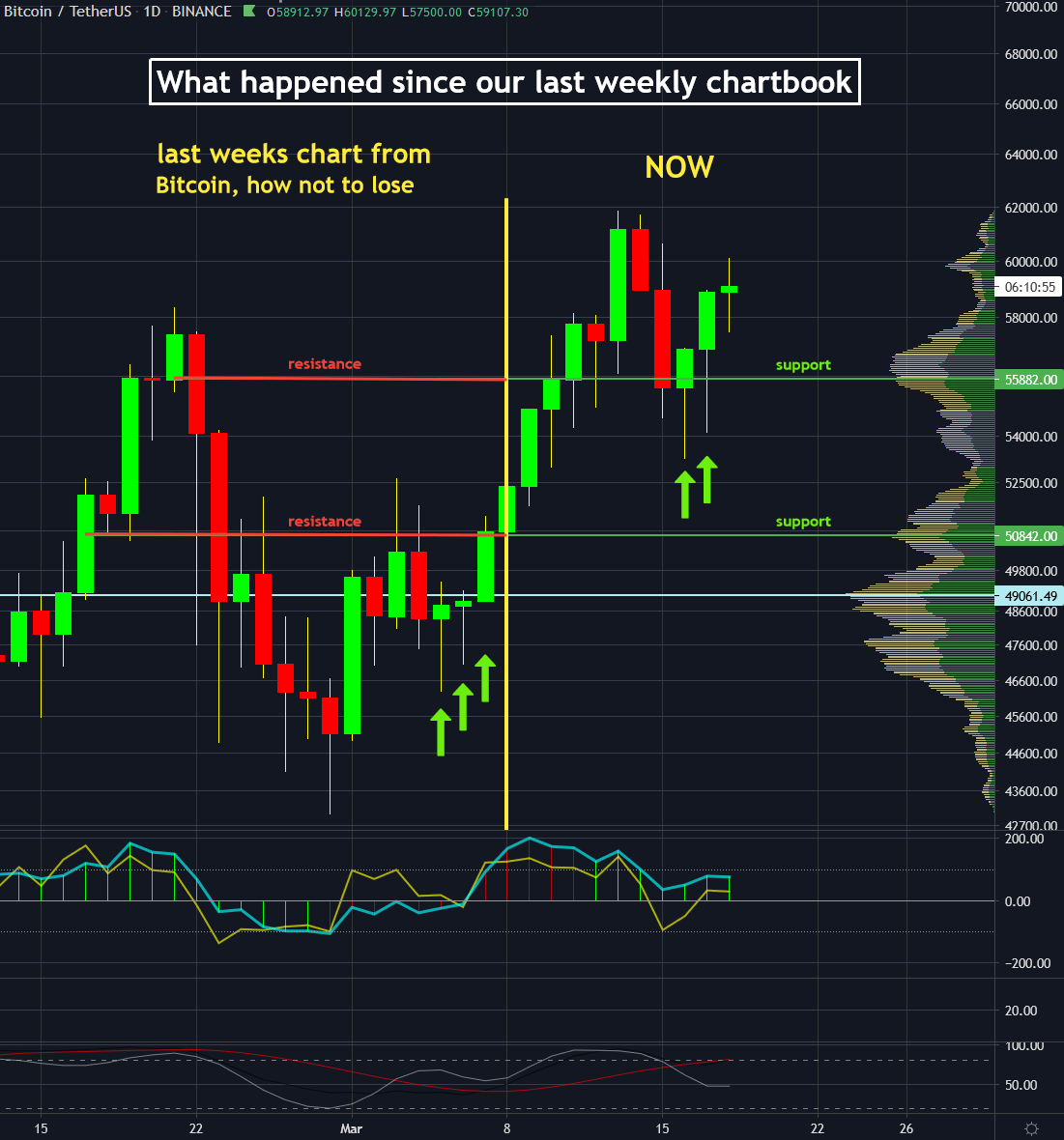
When you look at a trading screen, you see numbers flashing in red and green. These are the buy and sell orders from people all over the world. The red numbers are the sellers, and the green numbers are the buyers. The gap between the highest buy price and the lowest sell price is called the spread. Usually, this gap is just a few cents.
If you want to buy right now, you take the lowest price a seller is offering. This is called a market order. It is like walking into a shop and paying the price on the tag. It is fast, but you might pay slightly more than you wanted if the price moves while you are clicking the button. Most people do this when they are in a hurry.
The other way is a limit order. You tell the exchange that you only want to buy if the price hits a certain low point. Your order sits on the book and waits. If the price never drops that low, your trade never happens. I once set a limit order for a small coin and waited three weeks for it to fill. It finally happened while I was asleep, which shows how these systems work 24 hours a day.
What happens to your money after you buy
This is where things get a bit tricky for new users. When you buy crypto on a big exchange, the coins usually stay in a wallet owned by the exchange. You see a balance in your account, but you do not hold the private keys to that crypto. It is like keeping your cash in a bank vault. You have a claim to it, but the bank is the one holding the physical notes.
Exchanges use two types of storage to keep your funds safe. They keep a small amount in hot wallets, which are connected to the internet for fast trades. The rest is kept in cold storage. This means the coins are stored on devices that are not connected to the internet at all. This protects the bulk of the money from hackers who try to break in through the web.
You can choose to move your coins to your own private wallet at any time. This is a big step for many people because it means you are now your own bank. If you leave your coins on the exchange, you are betting that the company has good security. Some people prefer this because they are afraid of losing their own passwords. Others want total control and move their funds out immediately.
Understanding the fees you pay
Exchanges are not charities. They make money by charging you a fee every time you buy or sell. These fees are usually a tiny percentage of the trade, like 0.1% or 0.5%. While that sounds small, it can add up if you trade every day. Some sites also charge a flat fee for small buys, which can be quite expensive if you only buy ten dollars at a time.
You might also see withdrawal fees. When you want to move your crypto to a private wallet or send your cash back to your bank, the exchange might charge a fee to cover the cost of the transaction. For example, sending Bitcoin can be pricey when the network is busy. The exchange passes that cost on to you so they do not lose money on the move.
Always check the fee schedule before you sign up. Some exchanges look free but they hide their costs in the spread. This means they give you a slightly worse price than the market rate and keep the difference. It is a common way for simple apps to make money while telling users there are no fees. You can learn more about how different assets perform by checking this prediction says one cryptocurrency will beat Bitcoin in 2027 to see how markets shift.
The importance of KYC and security
When you sign up for a real exchange, they will ask for your ID. This is called Know Your Customer, or KYC. Governments require this to stop people from using crypto for illegal things. You will likely have to take a photo of your driver's license and maybe a selfie. It feels a bit invasive, but it is a sign that the exchange is following the law.
Security is the biggest risk when using an exchange. If a hacker gets your password, they can drain your account in minutes. This is why you must use two-factor authentication, or 2FA. Never use SMS for this. Use an app on your phone that generates a new code every thirty seconds. It is a small extra step that saves you from a lot of heartaches.
I always tell friends to check if an exchange has insurance. Some big companies have funds set aside to pay users back if the exchange itself gets hacked. This is not the same as a bank's deposit insurance, but it is better than nothing. You should also look for a clean history. An exchange that has been around for ten years without a major hack is usually a safer bet than a brand-new site promising high returns.
Different types of exchanges
We have mostly talked about centralized exchanges, or CEXs. These are companies like Coinbase or Kraken. They are easy to use and have customer support teams. If you lose your password, you can usually get back into your account by showing your ID. This safety net is why most people stay with them for a long time.
Then there are decentralized exchanges, or DEXs. These have no company in charge. They are just pieces of code running on a Blockchain that allow people to trade directly with each other. There is no ID check and no central office. This offers more privacy, but it is much harder to use. If you make a mistake on a DEX, there is no one to call for help.
For a beginner, a CEX is almost always the right choice. It gives you a place to learn the ropes without the fear of losing everything because of one wrong click. You can read more news about crypto exchanges to see which ones are currently popular or facing new rules. Keeping up with these changes helps you know if your money is in the right place.
The risks of keeping money on an exchange
You have to be honest about the risks. If an exchange goes out of business, your money could be stuck for years in a legal battle. We have seen this happen with big names in the past. This is why many experts say, not your keys, not your coins. If you do not hold the secret keys to the wallet, you do not truly own the crypto yet.
Another risk is account freezes. An exchange can lock your account if they see suspicious activity. This is meant to protect you, but it can be frustrating if you need your money quickly. Sometimes they might ask for more proof of where your money came from. It is part of the trade-off for using a regulated service that tries to keep the bad actors out.
Lastly, there is the risk of simple human error. It is easy to type the wrong address when sending crypto. If you send your coins to the wrong place, the exchange usually cannot get them back. Most Cryptocurrency transactions are permanent. Always send a tiny test amount first to make sure everything works before you send a large sum.
How to pick your first exchange
Do not just pick the one with the coolest logo. Look for an exchange that is allowed to work in your country. Some sites are blocked in certain places because of local laws. You also want to make sure they support the specific coins you want to buy. Most have the big ones like Bitcoin, but smaller coins might only be on a few sites.
Check the volume as well. Volume is just a word for how much trading is happening. High volume means there are lots of buyers and sellers. This makes it easy to buy and sell at a fair price. If the volume is low, you might get stuck with a bad price because there is no one around to take the other side of your trade.
Start small and take your time. You do not need to buy a whole Bitcoin. Most exchanges let you buy as little as ten or twenty dollars worth. Use that small amount to practice making a trade and moving the money around. Once you feel comfortable with how the buttons work, you can think about bigger moves. Does the exchange you are looking at have a simple mobile app you can understand?


Comments
Post a Comment